

In a world full of pop-ups, flashing banners, and endless scrolling, simplicity feels refreshing. Modern consumers are overwhelmed with information, and when they land on a website, they want clarity—not chaos. Minimalist web design isn’t just a trendy aesthetic; it’s a powerful marketing strategy. When done right, it removes distractions, sharpens your message, and guides visitors toward taking action. The result? A cleaner experience that often leads to stronger engagement and higher revenue.
Clarity Converts Better Than Complexity
The biggest advantage of minimalist design is clarity. When visitors arrive on your site, they should immediately understand who you are, what you offer, and what to do next. Too many elements competing for attention can dilute your message and reduce conversions. Businesses that collaborate with a Sunshine Coast web designer often focus on simplifying layouts, refining messaging, and highlighting one clear call to action per page to keep users moving forward. Whitespace, bold headings, and concise copy aren’t space—they’re strategic tools. By stripping away unnecessary visuals and text, you make it easier for visitors to focus on what truly matters.
Speed Is a Silent Sales Tool
 Minimalist websites typically load faster because they use fewer heavy graphics, scripts, and design elements. Page speed directly affects both user experience and search engine rankings. If a site takes too long to load, visitors are likely to leave before they even see your offer. A streamlined design reduces friction. Faster load times keep potential customers engaged and improve the likelihood they’ll explore more pages. In e-commerce, even a one-second delay can impact conversions. When your website runs smoothly, it builds confidence and keeps buyers on track.
Strong Visual Hierarchy Guides Decisions
Minimalist design isn’t about removing everything—it’s about emphasizing the right things. A clear visual hierarchy helps guide visitors naturally from the headline to supporting information and then to the call to action. Strategic use of typography, spacing, and contrast ensures the most important elements stand out. When users don’t have to search for what to do next, they’re more likely to act. A bold “Buy Now” button on a clean background is far more effective than one buried among competing colors and graphics. By directing attention intentionally, minimalist design turns browsing into decisive action.
Trust Grows in Clean Environments
A cluttered website can feel unprofessional or even suspicious. In contrast, a clean and modern design communicates credibility. Visitors subconsciously associate simplicity with confidence. If your brand appears organized and intentional, customers are more likely to believe that your products and services are of the same quality. Minimalist design also improves readability. Clear fonts, balanced layouts, and consistent branding create a comfortable experience. When users feel at ease navigating your site, they’re more likely to stay longer and engage more deeply.
Mobile-First Thinking Boosts Revenue

With the majority of web traffic coming from mobile devices, simplicity is no longer optional. Minimalist design naturally aligns with mobile-first principles because it prioritizes essential content and easy navigation. On smaller screens, complex layouts quickly become frustrating. By focusing on streamlined menus, concise text, and touch-friendly buttons, you create a seamless mobile experience. When customers can browse, learn, and purchase effortlessly from their phones, your revenue potential expands significantly.
Less Noise, Stronger Brand Identity
Minimalism allows your brand message to shine. Without unnecessary distractions, your colors, typography, and core message become more memorable. Consistency across pages reinforces brand recognition and builds familiarity. Rather than overwhelming visitors with every detail about your business, a minimalist design encourages strategic storytelling. You highlight what makes you different and let that message breathe. Over time, this clarity strengthens your brand identity and supports long-term growth.
Minimalist web design isn’t about sacrificing creativity—it’s about refining it. By focusing on clarity, speed, trust, and intentional structure, you create a user experience that naturally supports conversions. In a digital landscape filled with noise, simplicity stands out. When your website removes distractions and guides visitors with purpose, you hit the marketing sweet spot: less clutter, more revenue.…
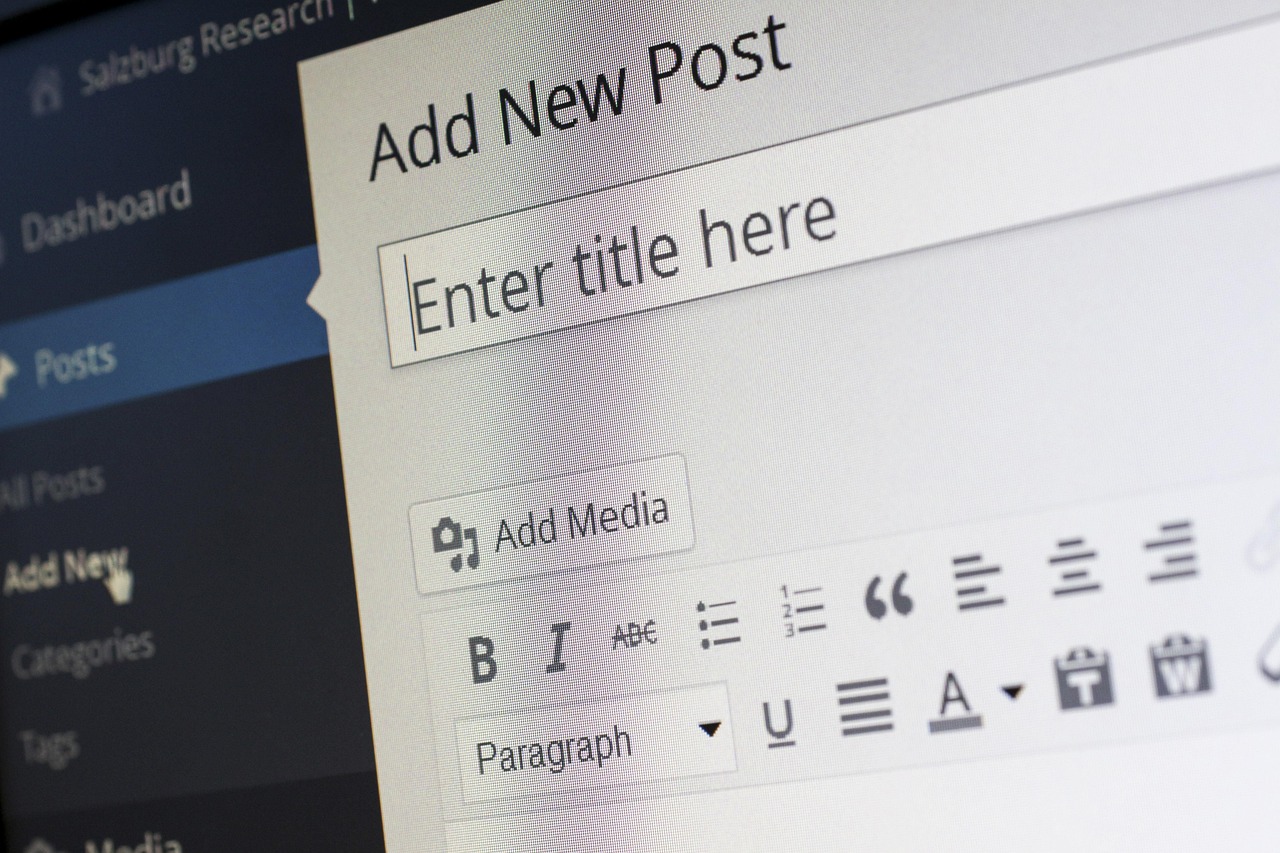 Your title tags and meta descriptions are the first thing Google sees when indexing your page. They’re also what users see on search engine results pages (SERPs). Therefore, getting these right is crucial for both SEO and user engagement. Your title tag should be concise, relevant, and include your main keyword—preferably at the start. Aim for a length of 50 to 60 characters so it’s fully visible on Google results. As for the meta description, it’s a short snippet that appears beneath the title in the SERPs. Write a compelling description that summarizes the page content and includes a keyword. While meta descriptions don’t directly impact rankings, they influence click-through rates, which in turn can boost your site’s visibility.




 When it comes to SEO performance, one of the biggest factors that can lead to downfall is low-quality content. Your website may have all the right keywords and a solid structure, but if your content lacks quality, it will be difficult for search engines to rank your site higher. Low-quality content refers to articles, blog posts, or any other form of written material that does not provide value to readers. This could include poorly written articles with grammatical errors and spelling mistakes, outdated information, or irrelevant content that doesn’t address the needs or interests of your target audience. In addition to hindering your SEO efforts, low-quality content can also negatively impact user experience. Visitors who come across poorly written or irrelevant content are more likely to leave your website without taking any further action.

 Once you have created links to your website, optimizing them for maximum impact is essential. This includes ensuring that the anchor or linked text relates to the content you’re linking to. Additionally, link to content related to the page’s topic and ensure that all links are from reputable sources.


 In this day and age, all websites should be optimized for mobile devices. Mobile search queries have skyrocketed in recent years, and any website that isn’t optimized for smaller screens is missing out on a huge portion of the market. Make sure your website looks great no matter what device it’s being viewed on, or you could be losing potential customers browsing on their phones. When it comes to technical SEO, mobile optimization is a must.
 Some pages on your website may not be indexed by
 One of the biggest mistakes people make when running a Google Ads campaign is not understanding how SEO and Google Ads work together. SEO is crucial for getting your website to rank high in organic search results, while Google Ads can help you get your website in front of potential customers who are already searching for what you offer.
 Another mistake that people make when running a Google Ads
 One of the most important benefits of great web design in marketing is that it sets the tone for your business. When potential customers visit your website, they will form an impression of your company based on the design.
 Finally, good web design can help to create a professional image for your business. A well-designed website will show customers that you take your business seriously and invest in providing a high-quality experience. This can be very beneficial in helping to attract new customers and grow your business. A professional image can also help to build trust with customers, which is essential for any business.
 SEO will help people find your website when they search for keywords related to what you are offering, greatly increasing traffic to your site. This is especially important if you run an online store or blog since it helps organically grow sales without spending money on advertising.


 Not only does crawling influence your rankings, but indexing does as well. Indexing is the process of adding your website to search engine databases. The more indexing your website has, the higher it will rank. There are a few different ways to increase indexing, but one of the best ways is to submit your website to directories. This helps search engines find and index your website to rank higher in the search results. If your website is hard to navigate, it will be hard for search engines to index it, and you will see a decrease in your rankings.