
In the competitive world of SEO, ranking higher on Google is a goal for most website owners. While off-page SEO strategies, such as backlink building, are important, on-page SEO remains the bedrock of any successful digital presence. It’s the foundational work that helps Google understand your site, increasing your chances of ranking higher. The best part? These on-page moves are often simple, cost-effective, and easy to implement. Let’s dive into the key SEO practices that can quickly boost your website’s visibility.
Optimize Your Title Tags and Meta Descriptions
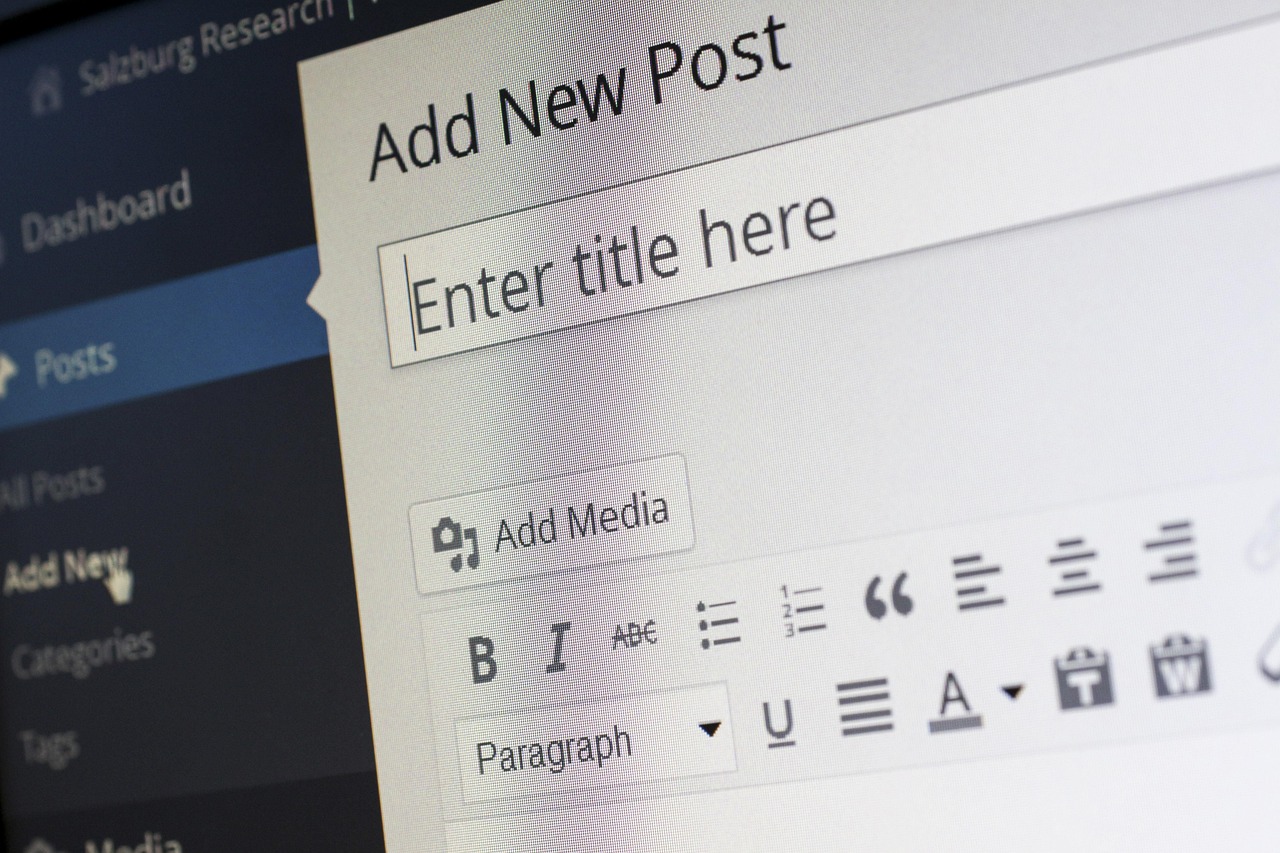 Your title tags and meta descriptions are the first thing Google sees when indexing your page. They’re also what users see on search engine results pages (SERPs). Therefore, getting these right is crucial for both SEO and user engagement. Your title tag should be concise, relevant, and include your main keyword—preferably at the start. Aim for a length of 50 to 60 characters so it’s fully visible on Google results. As for the meta description, it’s a short snippet that appears beneath the title in the SERPs. Write a compelling description that summarizes the page content and includes a keyword. While meta descriptions don’t directly impact rankings, they influence click-through rates, which in turn can boost your site’s visibility.
Use Headings for Structure and Clarity
Headings, like H1, H2, and H3 tags, break your content into digestible sections and help search engines understand its structure. Start with an H1 tag that includes your primary keyword. This tells Google what the page is about. Then, use H2 and H3 tags to organize your content further, which makes it easier for both users and search engines to navigate. Well-structured headings also improve user experience, making it easier for visitors to skim through your page and find the information they’re looking for. A clear, organized page can lead to longer site visits and more engagement, which are signals that Google rewards.
Optimize Images for Faster Load Times
Site speed is a key ranking factor for Google, and images play a major role in loading times. Large, unoptimized images can slow down your site, negatively impacting both user experience and SEO. To optimize images, start by resizing them to the smallest possible file size without sacrificing quality. Use image formats like JPEG for photos and PNG for graphics with fewer colors. Don’t forget to add descriptive, keyword-rich alt text to every image. Alt text not only improves accessibility but also gives Google more context about your content, helping your images show up in relevant searches.
Internal Linking: Connecting the Dots
Internal linking refers to linking to other pages on your site within your content. This simple strategy can improve your website’s structure and help Google crawl your pages more efficiently. When you link relevant pages together, you signal to search engines that your content is interconnected. This will further help establish your site’s topical relevance. Make sure your internal links are natural and relevant to the content. Don’t overload the page with links, but add them strategically to help users navigate your site. This increases engagement and reduces bounce rates, both of which are positive signals for Google.
On-page SEO doesn’t have to be complex to be effective. These simple steps are vital for staying competitive in an ever-changing digital landscape. So, put these practices into action and watch your website climb the SERPs.…




 When it comes to SEO performance, one of the biggest factors that can lead to downfall is low-quality content. Your website may have all the right keywords and a solid structure, but if your content lacks quality, it will be difficult for search engines to rank your site higher. Low-quality content refers to articles, blog posts, or any other form of written material that does not provide value to readers. This could include poorly written articles with grammatical errors and spelling mistakes, outdated information, or irrelevant content that doesn’t address the needs or interests of your target audience. In addition to hindering your SEO efforts, low-quality content can also negatively impact user experience. Visitors who come across poorly written or irrelevant content are more likely to leave your website without taking any further action.

 Once you have created links to your website, optimizing them for maximum impact is essential. This includes ensuring that the anchor or linked text relates to the content you’re linking to. Additionally, link to content related to the page’s topic and ensure that all links are from reputable sources.


 In this day and age, all websites should be optimized for mobile devices. Mobile search queries have skyrocketed in recent years, and any website that isn’t optimized for smaller screens is missing out on a huge portion of the market. Make sure your website looks great no matter what device it’s being viewed on, or you could be losing potential customers browsing on their phones. When it comes to technical SEO, mobile optimization is a must.
 Some pages on your website may not be indexed by
 One of the biggest mistakes people make when running a Google Ads campaign is not understanding how SEO and Google Ads work together. SEO is crucial for getting your website to rank high in organic search results, while Google Ads can help you get your website in front of potential customers who are already searching for what you offer.
 Another mistake that people make when running a Google Ads
 SEO will help people find your website when they search for keywords related to what you are offering, greatly increasing traffic to your site. This is especially important if you run an online store or blog since it helps organically grow sales without spending money on advertising.


 Not only does crawling influence your rankings, but indexing does as well. Indexing is the process of adding your website to search engine databases. The more indexing your website has, the higher it will rank. There are a few different ways to increase indexing, but one of the best ways is to submit your website to directories. This helps search engines find and index your website to rank higher in the search results. If your website is hard to navigate, it will be hard for search engines to index it, and you will see a decrease in your rankings.